Choosing between a tablet and an e-reader can feel like a surprisingly personal decision, one that hinges on how you actually intend to use the device day to day. Both have carved out their own niches in the world of digital technology, yet they serve rather different purposes despite looking somewhat similar at first glance. Understanding what sets them apart can save you from buyer’s remorse and help you pick the gadget that genuinely fits your lifestyle.
The essentials
- Tablets function as versatile, multi-purpose devices designed for entertainment and productivity, while e-readers are dedicated tools focused solely on the reading experience.
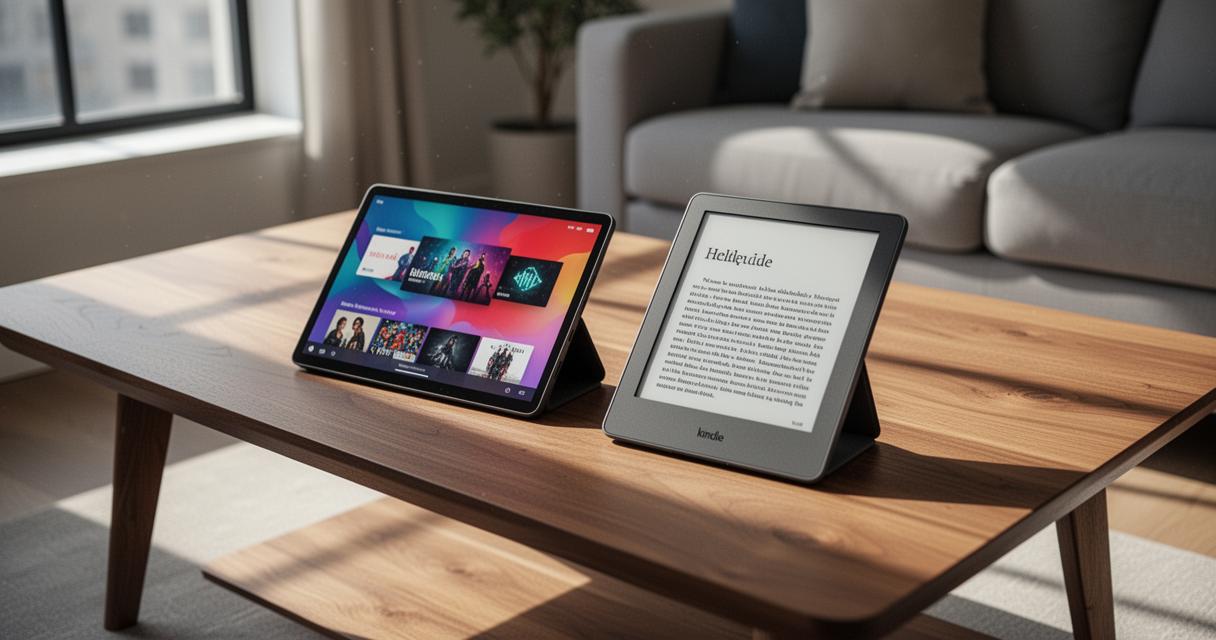
- E-readers utilize e-ink technology to mimic paper, providing a glare-free, low-strain display that is superior for long reading sessions.
- Tablets feature vibrant LCD or OLED screens, which are ideal for multimedia like videos and gaming but can cause more eye strain and perform poorly in direct sunlight.
- Battery life is a major differentiator, as e-readers can last for weeks on a single charge compared to the daily charging often required by tablets.
- The choice between the two depends on whether a user prioritizes a distraction-free, specialized reading device or a multifunctional gadget for various digital tasks.
- E-readers are generally more affordable than tablets, making them a cost-effective option for avid readers who do not require extra technical features.
Understanding the Core Differences: Functionality and Purpose
Tablets: Multi-Purpose Devices for Entertainment and Productivity
A tablet is essentially a pocket-sized computer, built to handle a huge range of tasks beyond simply displaying text. You can stream films, browse the internet, respond to emails, play games, and even edit documents, all from the same slim device. This versatility makes tablets appealing to those who want one gadget that does everything, from catching up on box sets during a commute to sketching digital artwork in the evening. The trade-off, however, is that this jack-of-all-trades approach means tablets are not specifically optimised for the reading experience, which is where the humble e-reader steps in.
E-readers: dedicated digital reading companions
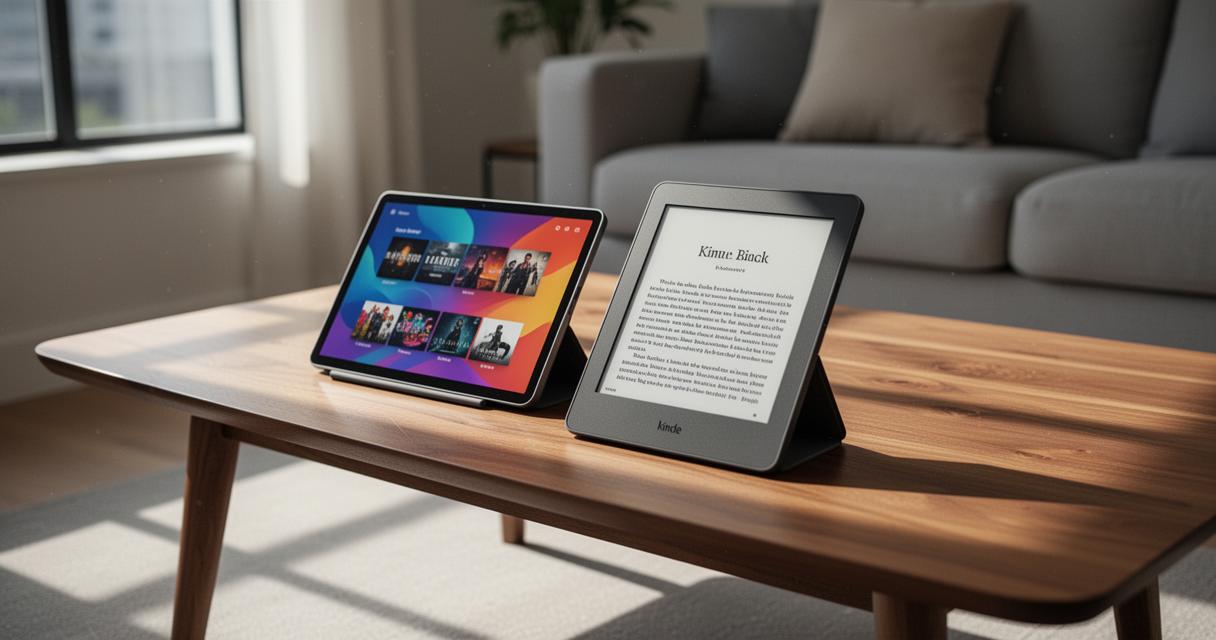
Unlike their multifunctional cousins, e-readers exist for one purpose and one purpose alone, namely reading. Devices such as the Amazon Kindle or the Kobo Libra are stripped of distractions, offering no social media notifications, no video streaming, and no games to pull your attention away from the page. This singular focus is precisely why so many book lovers gravitate towards them. When it comes to supported formats, e-readers concentrate on file types built for text, including PDF, MOBI, and EPUB, whereas tablets can juggle a much wider variety of audio and video formats alongside text-based files, reflecting their broader ambitions as all-purpose entertainment hubs.
Screen technology: e-ink versus lcd displays
The Advantages of E-Ink Technology for Extended Reading Sessions
One of the most defining features separating these two categories of device lies in the screen itself. E-readers rely on e-ink technology, a display method that mimics the appearance of ink on paper rather than emitting light in the way a conventional screen does. This creates a softer, glare-free reading experience that many people find far gentler on the eyes, particularly during long stretches of reading or in bright sunlight where LCD screens tend to wash out. The absence of a backlight in most e-ink displays also means there’s less digital eye strain, making it easier to lose yourself in a novel for hours without the fatigue that sometimes accompanies staring at a traditional screen.
Vibrant Colour Screens on Tablets for Multimedia Consumption
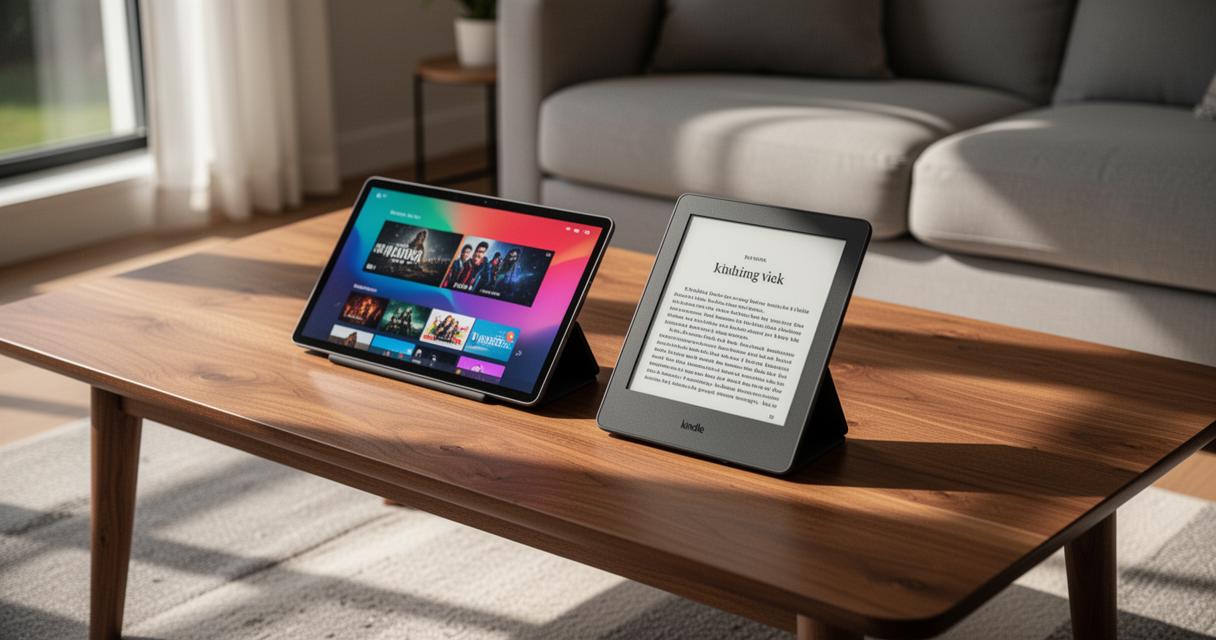
Tablets, by contrast, use LCD or OLED displays designed to showcase rich colour and sharp detail, which suits their role as multimedia powerhouses perfectly. Whether you’re watching a film, flicking through photographs, or playing a graphically intense game, these vibrant screens bring content to life in a way that e-ink simply cannot replicate. The downside is that such screens emit light directly, which can lead to more noticeable eye strain during prolonged use, and they often struggle with visibility under strong outdoor light compared to the matte, paper-like finish found on most e-readers.
Battery performance and longevity: which device lasts longer?
E-Readers Offering Weeks of Reading on a Single Charge
If battery life is a priority, e-readers have a clear advantage. Because e-ink displays only draw power when the page actually changes, devices like the Kindle or Kobo Libra can comfortably run for weeks on a single charge, even with regular daily use. This makes them wonderfully low-maintenance companions for holidays or long commutes, since there’s little need to worry about hunting for a charger. It’s this kind of efficiency that has made e-readers so popular among frequent travellers and dedicated bookworms alike.
Tablet battery life: managing power for varied usage
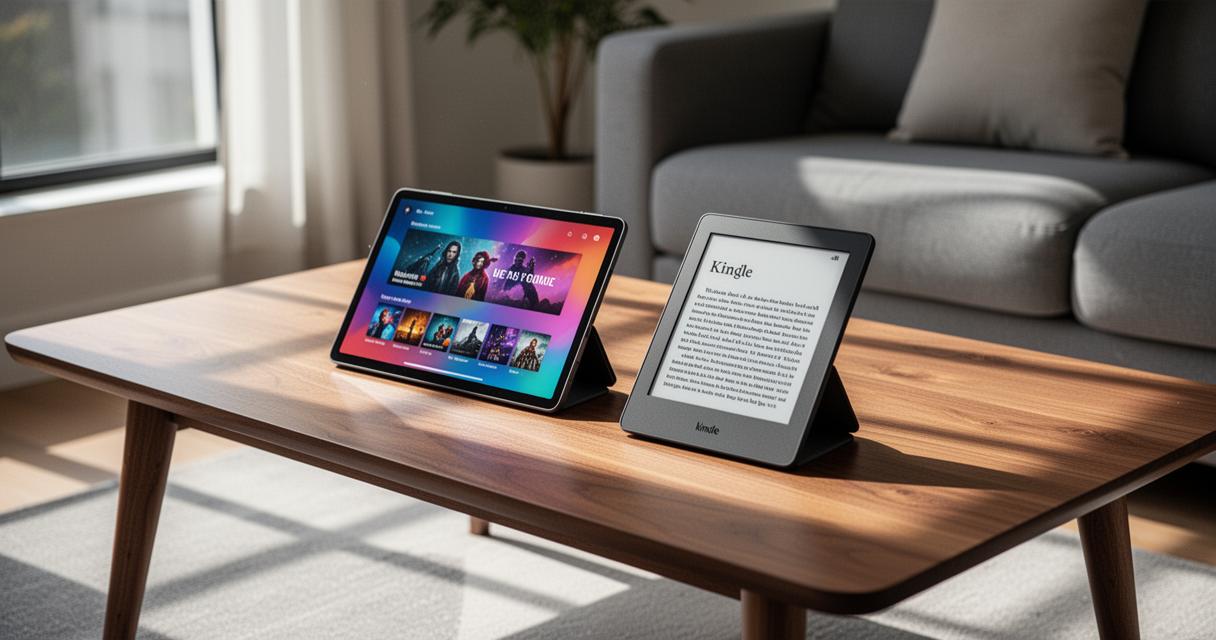
Tablets, on the other hand, tend to demand far more frequent charging, often lasting somewhere between a few hours and a full day depending on how intensively they’re used. Streaming video, running multiple apps, and powering a bright colour display all consume considerably more energy than the simple act of turning a digital page. This isn’t necessarily a flaw, since tablets are built to do so much more, but it does mean users need to be more mindful of battery management, particularly if they rely on their device throughout the day for work or entertainment.
When it comes down to price, e-readers also tend to be considerably more affordable than tablets, which makes them an attractive option for anyone who reads voraciously but doesn’t necessarily want to spend a fortune on a device packed with features they’ll never use. Ultimately, the right choice depends entirely on your habits, whether you’re after a distraction-free reading sanctuary or a versatile companion capable of handling everything from films to spreadsheets.