
There is something quietly magical about pulling a tub of homemade sorbet from the freezer, knowing every ingredient inside came from your own kitchen and, quite possibly, your own garden. Owning an ice cream maker transforms this from an occasional treat into an everyday possibility, giving home cooks the tools to create artisan desserts that rival anything served in a restaurant. Whether you are drawn to classic dairy-based ice creams or the bright, fruit-forward world of sorbets, the right machine opens up a season's worth of creative possibilities.
What to know
- Owning an ice cream maker allows home cooks to create professional-quality desserts with a superior, silky texture that manual freezing cannot replicate.
- The machinery works by churning air into the mixture, which prevents the formation of large ice crystals and results in a smooth consistency.
- Using an ice cream machine provides total control over ingredients, making it easy to accommodate dietary needs or experiment with adventurous flavour combinations.
- Utilising seasonal British produce, such as local berries and fruits, enhances the flavour of homemade sorbets while supporting local growers and sustainability.
- Successful results depend on proper planning, such as freezing the machine bowl in advance and chilling the base mixture thoroughly before churning.
- High-quality frozen desserts rely on using fresh, whole ingredients and minimal artificial additives, a philosophy shared by both artisanal producers and home enthusiasts.
The Advantages of Having an Ice Cream Maker in Your Kitchen
There is a reason so many keen cooks eventually invest in one of these machines. The results simply cannot be replicated by hand-whisking a bowl in the freezer every half hour, and once you have tasted the difference, there is no going back.
Crafting luxurious textures comparable to professional desserts
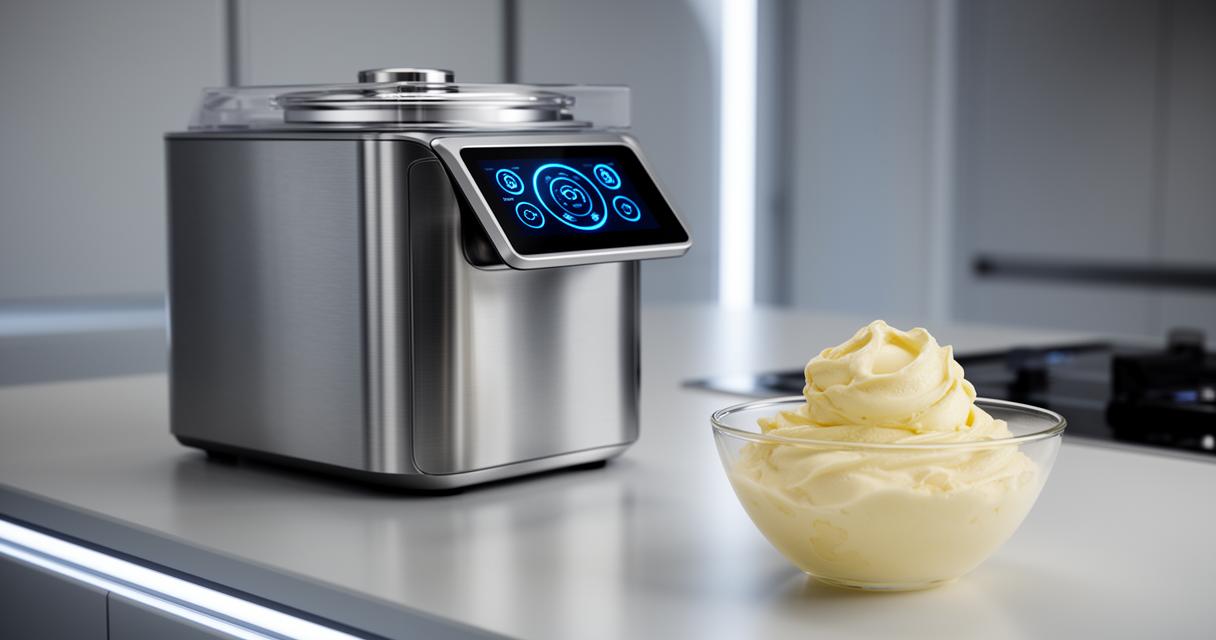
A decent machine churns air into the mixture as it freezes, preventing the formation of large ice crystals and producing a silky, scoopable texture. This is the same principle used by professional makers such as La Grotta Ices, whose owner Kitty Travers relies on a pacojet to create exceptionally fine, small-batch ice creams tailored to whatever fruit happens to be at its peak. Kitty came to ice cream making via art school and years working in cafes, and her approach centres on quality ingredients, including high-protein milk and a deliberate avoidance of unnecessary additives. Her lessons, shared in her book La Grotta Ices, boil down to a few simple truths: use fresh fruit, intensify flavour wherever possible, and never underestimate the importance of proper machinery. Home cooks keen to learn more can even take a class at The School of Artisan Foods in Nottinghamshire, where these techniques are taught in depth.
Tailoring Recipes to Suit Personal Tastes and Dietary Requirements
One of the great joys of owning an ice cream maker is the total control it gives you over what goes into each batch. Lower sugar versions, dairy-free alternatives, and unusual flavour pairings all become achievable with a little experimentation. Those wanting inspiration might look to the Kitchen Projects newsletter by Nicola Lamb, which has featured a Peach and Basil Sorbet from La Grotta Ices alongside a more adventurous Cucumber and Sour Cream ice cream available through the KP+ subscription. For five pounds a month, subscribers gain access to extra content, a supportive community, and the KP Teacher series, which draws on the knowledge of established food experts including Lillian Luk, Chloe Rose Crabtree, and Pam Jones.
Exploring seasonal british produce for homemade sorbets
Britain's gardens and farms produce a remarkable range of fruit throughout the year, and much of it lends itself beautifully to sorbet making. Choosing seasonal ingredients not only improves flavour but also supports local growers and reduces reliance on imported produce.
Utilising fresh garden fruits for vibrant flavours
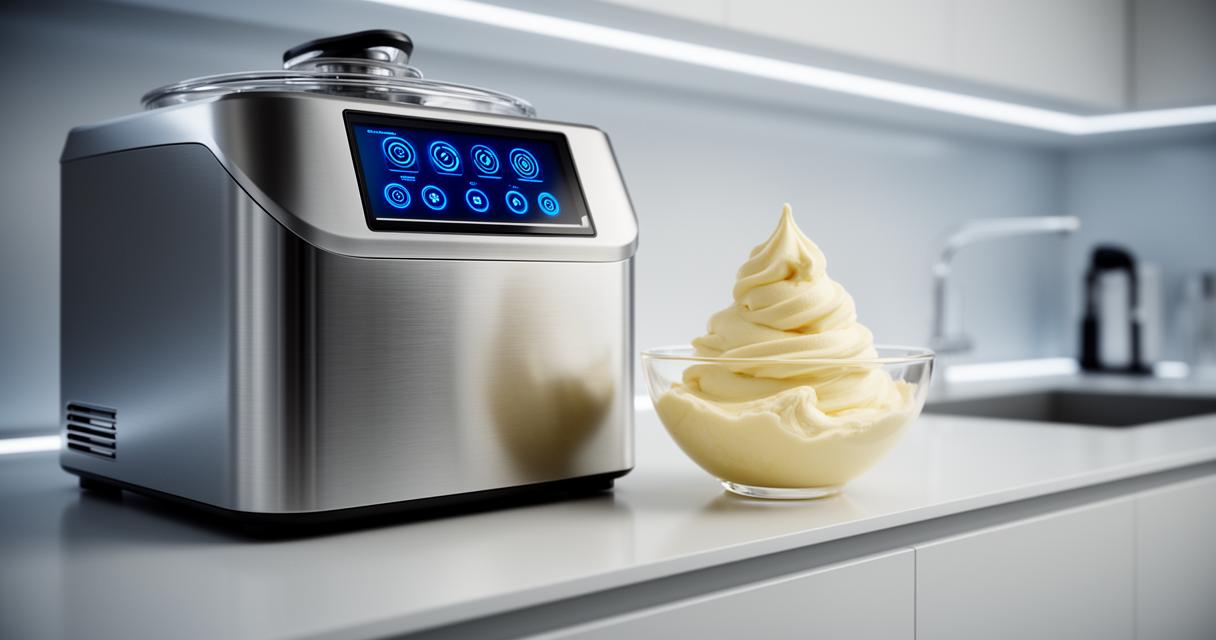
Few things capture summer quite like a spoonful of homemade fruit sorbet. Dominic Parry understood this instinctively as a ten year old, when he complained that there was no decent ice cream to be had locally. That frustration eventually led him to found the Saffron Ice Cream Company, based in Saffron Walden near Cambridge. His very first flavour, made in 2010 with strawberries from Grace's Farm Shop, used a modest sixty kilograms of fruit. The company now gets through some 1,500 kilograms of strawberries every year, a testament to how far demand for genuinely local, fruit-based frozen desserts has grown. Recommended summer flavours from the range include Lemon Curd & Meringue, British Elderflower Sorbet, and Late Summer Blackcurrant Sorbet, each showcasing whatever is ripest at the time.
Experimenting with Traditional and Unusual British Ingredients
Beyond the obvious berries and stone fruits, there is plenty of scope for adventurous flavour combinations rooted in British tradition. Saffron Ice Cream Company's Cinnamon Biscuit, British Honey & Lavender, and Mince Pie flavours all draw on homely, familiar tastes, while their best sellers, Finest Vanilla Pod, Salted Butter Caramel, and Sherbet Lemon Sorbet, have each picked up Great Taste Awards. The company sources ingredients from local farms and micro suppliers, uses no artificial chemicals, and packages its products in compostable materials, reflecting a broader ethos of quality and sustainability that home cooks can echo in their own kitchens by choosing whole fruits and minimal additives.
Practical tips for using your ice cream maker
Getting consistently good results from a home ice cream maker is largely a matter of preparation and a little patience, rather than any particular culinary skill.
Planning ahead: freezing bowls and preparing ingredients
Most domestic machines rely on a bowl that must be frozen solid before use, often for twenty-four hours or more, so a little forward planning is essential. It helps to prepare your fruit puree or custard base the night before, chilling it thoroughly so it is ready to churn as soon as the frozen bowl comes out. Machine capacities vary considerably, from small units producing a few scoops to larger models capable of several litres, so it is worth matching your equipment to whether you are feeding a small household or entertaining a crowd.
Controlling Ice Crystals for a Smoother, Creamier Finish
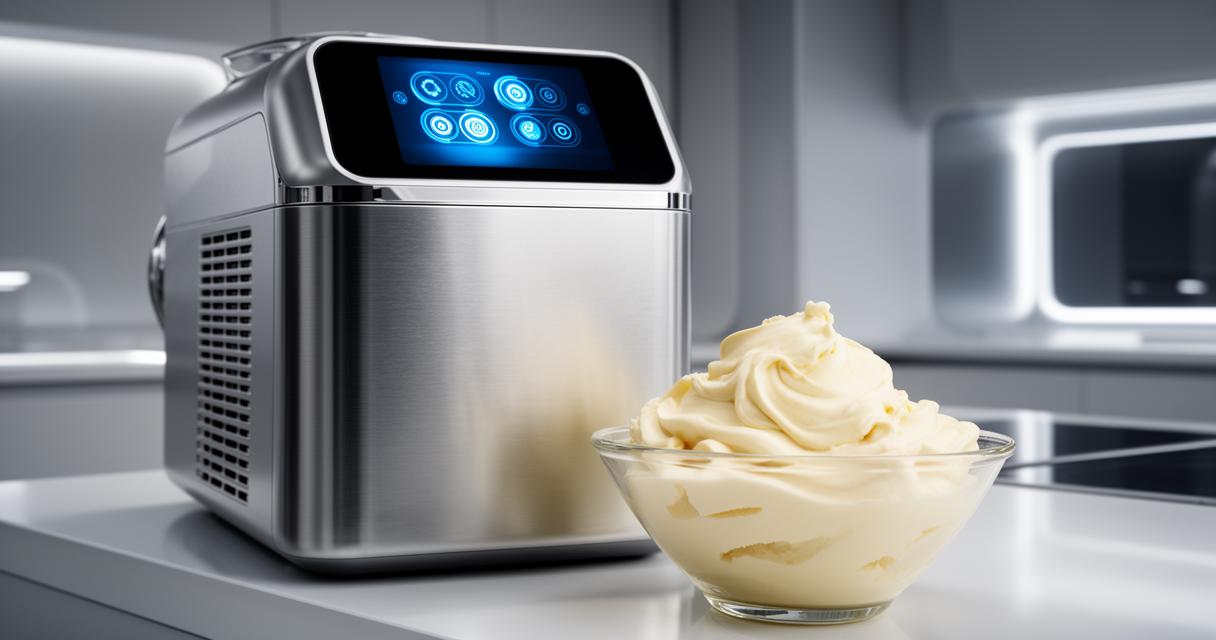
The constant churning action of an ice cream maker is what keeps ice crystals small, giving that coveted creamy consistency rather than a grainy one. Using very fresh, well-chilled ingredients speeds up the freezing process, which also helps texture. It is worth noting that demand for frozen desserts is not confined to warm months, despite the enduring myth that ice cream is purely a summer indulgence. Industry figures suggest that the final quarter of the year can see sales of premium frozen desserts rise by fifteen to twenty per cent compared with summer, as comfort eating increases and families reach for treats alongside frozen pizzas and other freezer staples. The wider UK ice cream market, now worth around £3.7 billion and growing steadily each year, reflects a similar pattern, with multipacks and low-calorie options becoming increasingly popular among consumers who enjoy ice cream all year round rather than saving it for a heatwave.
Ultimately, whether you are chasing the intensity of a professional sorbet or simply want a healthier, more personalised dessert, an ice cream maker earns its place in the kitchen many times over. From the small-batch artistry of La Grotta Ices to the local, seasonal ethos of Saffron Ice Cream Company, there is plenty of inspiration to draw on as you experiment with your own premium frozen desserts at home.