Walking into an office flooded with daylight feels entirely different from stepping into a room lit by harsh fluorescent tubes, and this difference is far more than just visual. As businesses across the UK rethink their workspaces, natural light has emerged as one of the most influential factors in shaping how people feel and perform at work. From Birmingham to beyond, forward-thinking companies are discovering that the right combination of daylight and thoughtfully chosen furniture can transform an ordinary office into a place where staff genuinely want to spend their day.
In short
- Natural light significantly improves employee well-being, mood, and mental focus compared to working under artificial lighting alone.
- Increasing exposure to daylight reduces physical issues like eyestrain and headaches, contributing to higher productivity and better staff retention.
- Strategic workstation placement, such as positioning desks perpendicular to windows, maximizes light distribution while minimizing distracting glare.
- Professional office furniture, including adjustable desks and chairs, allows employees to optimize their comfort and posture in relation to natural light sources.
- Using light-reflective materials and glass partitions helps distribute sunlight more effectively throughout an office, preventing dim corners.
- Maintaining an uncluttered, organized environment is essential to ensure light flows freely and to reduce visual stress in the workplace.
The Transformative Power of Natural Light in Modern Workspaces
There's a reason architects and interior designers keep returning to the subject of daylight when discussing office renovations. Sunlight streaming through windows does more than brighten a room; it actively shapes mood, energy levels, and mental wellbeing. Employees exposed to consistent daylight tend to report sharper focus, greater creativity, and noticeably lower stress levels compared with those working under artificial lighting alone. This isn't simply anecdotal; research shows that many workers would rather have reliable access to natural light than perks such as free snacks in the break room, which says a great deal about how deeply lighting affects daily satisfaction at work.
How daylight influences employee well-being and productivity
The physical benefits of daylight exposure are equally compelling. Poorly lit offices contribute to eyestrain, headaches, and that familiar mid-afternoon drowsiness that saps momentum from even the most motivated teams. Bringing more natural light into a workspace has been shown to reduce eyestrain by as much as 84 percent, while also easing headaches and fatigue considerably. Given that happier employees are around 16 percent more productive and considerably more likely to stay in their roles long-term, the case for prioritising daylight becomes difficult to ignore. This concept ties closely into biophilic design, which connects indoor environments with elements of nature and has been linked to a 15 percent boost in creativity alongside measurable gains in overall output.
Strategic Positioning of Workstations to Capture Optimal Sunlight
Simply having windows isn't enough; the real skill lies in arranging desks and communal areas so that daylight reaches as many people as possible throughout the day. Placing workstations perpendicular to windows, rather than directly facing them, tends to reduce glare while still allowing plenty of brightness to fill the room. Reception areas deserve particular attention too, since a sunlit entrance creates an instantly welcoming impression for visitors and clients alike. Thoughtful positioning also helps prevent certain corners of an office becoming perpetually dim, which can otherwise create uneven working conditions between teams sitting just metres apart.
Selecting professional office furniture that complements natural lighting
Furniture choices play a far bigger role in lighting strategy than many businesses initially realise. The right pieces can either enhance the brightness already present in a room or inadvertently block it, undermining even the best-planned layout. This is where working with specialists such as Estilo Interiors or Calibro Workspace can make a genuine difference, as their experience in CAT A and CAT B fit-outs allows them to balance aesthetics with practical lighting considerations from the earliest design stages.
Adjustable Desks and Chairs: Ergonomic Solutions for Customisable Comfort
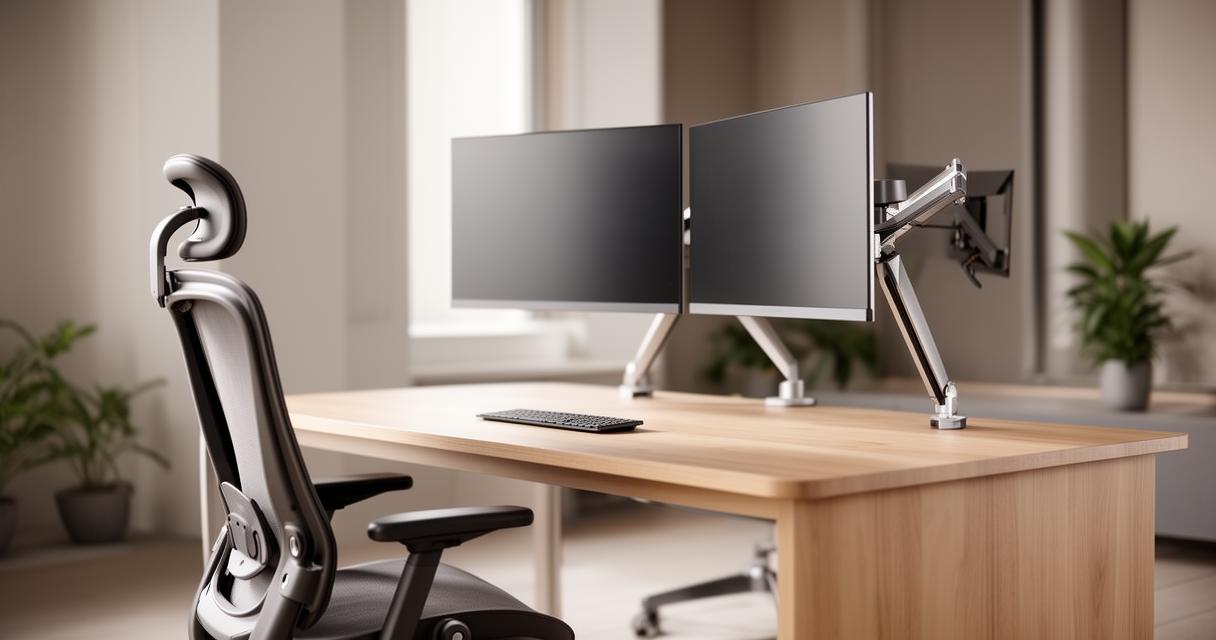
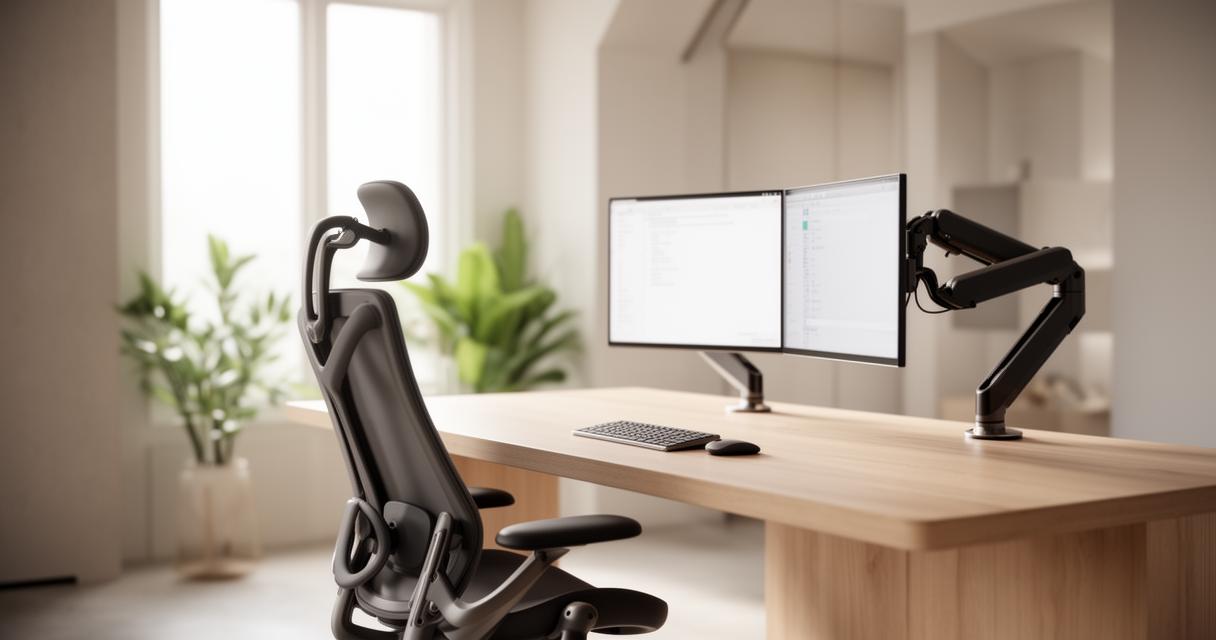
Comfort and lighting go hand in hand more than most people expect. Adjustable desks and chairs allow employees to modify their seating height in relation to window positioning, reducing glare on screens while maintaining good posture throughout the day. This kind of ergonomic furniture also plays a significant role in preventing musculoskeletal problems, which remain one of the most common causes of workplace discomfort. Flexible workspaces that let staff choose where and how they sit encourage healthier habits, and when paired with generous natural light, they create an environment that genuinely supports long-term wellbeing rather than just short-term convenience.
Materials and Finishes That Reflect and Enhance Natural Brightness
The materials chosen for desks, partitions, and flooring can dramatically affect how far daylight travels across a room. Light-reflective finishes, pale wood tones, and glass partitions all help bounce sunlight deeper into a space rather than allowing it to stop at the first obstacle. Glass partitions in particular have become a popular choice among businesses aiming to maintain some division between departments without sacrificing openness. Colour psychology also comes into play here, with calming blues and greens supporting focus, while warmer yellows and oranges in smaller doses can stimulate creativity without overwhelming the room's brightness.
Designing an Open Layout That Maximises Light Flow and Reduces MSDs
Open floor plans have become something of a standard in modern office design, and for good reason. They allow daylight to travel freely across a space rather than being trapped within isolated rooms. However, an open layout only works if furniture is arranged with intention, since poorly placed cabinets or oversized partitions can just as easily create pockets of shadow as traditional walls once did.
Creating Tidy, Uncluttered Environments for Enhanced Aesthetics and Function
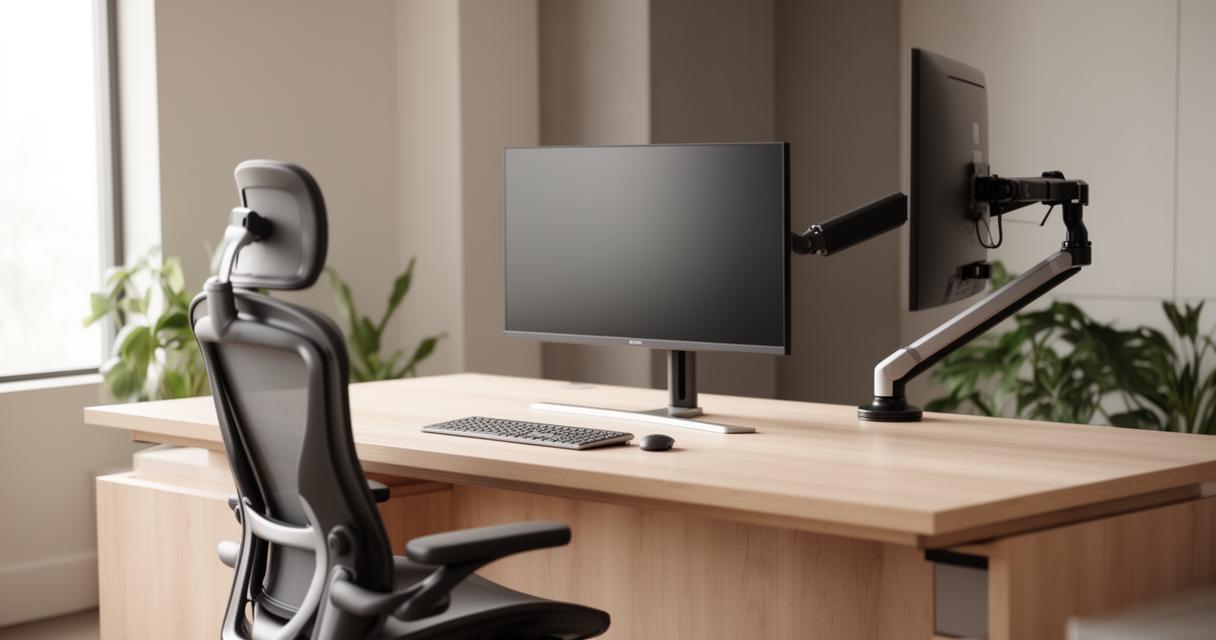
A cluttered office doesn't just look untidy; it physically obstructs light and creates visual noise that can quietly increase stress throughout the day. Integrating technology thoughtfully, such as concealed cabling and streamlined storage solutions, helps maintain a clean aesthetic while ensuring nothing blocks the natural glow filling the room. Excessive noise is another factor worth considering alongside light, as loud environments can reduce productivity by as much as 66 percent, making soundproofing and designated quiet zones a sensible addition to any bright, open-plan office.
Integrating Tasteful Design Elements to Support Employee Comfort and Well-being
Finally, personal touches matter more than many businesses assume. Allowing employees some degree of personalisation within their workspace has been shown to increase productivity by 32 percent, proving that comfort isn't purely about lighting or furniture specifications alone. Companies like OFDC Commercial Interiors, with decades of experience dating back to 1974, understand that combining communal spaces, sustainable materials, and smart technologies creates offices that feel both functional and genuinely pleasant to occupy. When natural light, ergonomic furniture, and considered design work together, the result is a workspace that supports people rather than simply housing them.